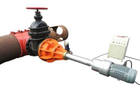
When you need to add a branch connection to a live pipeline, you have two choices: shut down the line and cut in, or hot tap under full pressure. This post works through the actual numbers for a DN800 municipal water main branch — from the operator’s perspective, not the marketing brochure.
The scenario
- Line: DN800 ductile iron water main, 1.0 MPa operating pressure
- Task: Add a DN200 branch to feed a new industrial park
- Location: Urban, under a 4-lane road
- Affected customers if shutdown: 3,200 households + 14 commercial buildings
Option A: Shutdown method
| Step | Time | Cost (USD) |
|---|---|---|
| Notice to affected customers (regulatory) | 72 hr | $0 |
| Isolate section with upstream/downstream valves | 2 hr | $400 (crew) |
| Drain line section | 4 hr | $800 (crew + pump) |
| Cut and install tee | 6 hr | $3,200 (hot work permit, crew, tee fitting) |
| Refill, flush, pressure test | 6 hr | $1,500 (water loss + chlorination) |
| Return to service | 1 hr | $200 |
| Subtotal direct costs | 19 hr | $6,100 |
| Customer credit for service interruption | — | $12,000 (per utility schedule) |
| Water loss (200 m³ × $2.50/m³) | — | $500 |
| Traffic detour + police | — | $1,800 |
| Total | $20,400 |
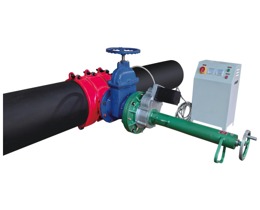
Option B: Hot tapping with DK8 machine
| Step | Time | Cost (USD) |
|---|---|---|
| Weld-on saddle installation | 3 hr | $1,400 (crew + saddle + welding) |
| Install DK8 tapping machine | 1 hr | $200 |
| Drill through pipe wall under pressure | 1.5 hr | $400 (operator) |
| Remove coupon, close isolation valve | 0.5 hr | $100 |
| Remove machine, connect branch | 2 hr | $300 |
| Total | 8 hr | $2,400 |
Machine rental or amortized purchase: ~$350/job.
The delta
- Dollar cost: $20,400 → $2,750 = $17,650 saved
- Wall time: 91 hr (including 72 hr notice) → 8 hr = 83 hours saved
- Service interruption: 14 hr → 0 hr
- Customer complaints: 38 (typical on shutdowns of this scale) → 0
The gap is so large that the real question on most jobs isn’t “should we hot tap?” — it’s “why would we ever shut down?” The answer is: only when the pipe material isn’t compatible with hot tapping, or when the branch is larger than ~60% of the main’s diameter.
When shutdown still wins
- Branch diameter > 60% of main (saddle can’t support it)
- Pipe material is degraded cast iron with cracking — drilling may propagate cracks
- Very low pressure systems (< 0.1 MPa) where the leak-free benefit of hot tapping disappears
- No qualified crew available (hot tapping needs trained operators)
Equipment matters
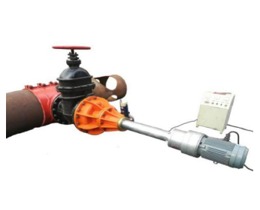
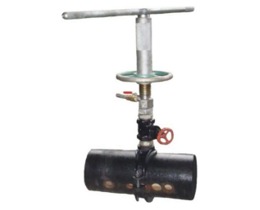
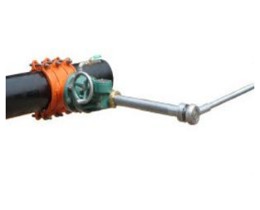
The DK8 model cleanly handles DN100–DN800 on steel and ductile iron, with self-centering cutters and integrated pressure seals. The older DK6 series covers DN80–DN600 on iron, concrete, and PE pipes. For smaller taps (DN15–DN50) the ZG2 hand drill is cheaper and portable.
See DK8 specifications and DK6 specifications for operating envelopes.
Bottom line
On every project of DN100+, run this math before you write the shutdown notice. Half the time, hot tapping isn’t just faster — it’s what your utility’s own cost schedule already says you should do. Get in touch if you want help sizing the right tapping machine for your system.